What is Powerlifting?
Powerlifting is a strength sport centered around three fundamental lifts: the squat, bench press, and deadlift. These compound movements engage multiple muscle groups simultaneously, building total-body strength that translates directly to real-world function and athletic performance.
Whether you're an athlete seeking peak performance, someone looking to maintain strength as you age, or simply want to become stronger and more capable in daily life, powerlifting provides the foundation. Unlike isolation exercises, these three lifts develop coordinated, functional strength that your body can use in any situation.
The Squat & Bench Press
Essential compound movements for complete upper and lower body development
King of Lower Body Strength
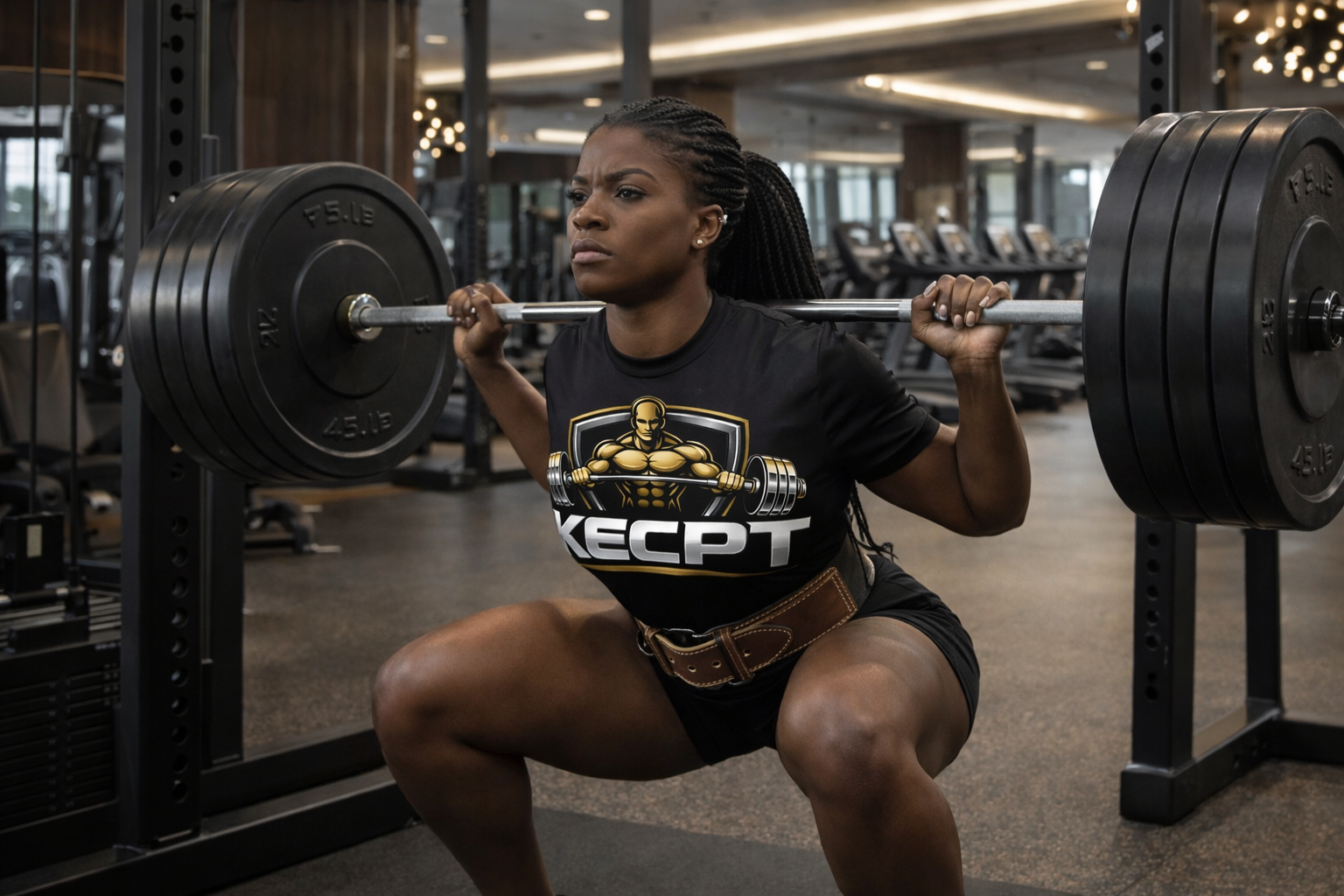
The Squat
The squat is a fundamental compound movement that targets the quadriceps, hamstrings, glutes, and core. It builds explosive power and functional leg strength essential for everyday activities.
Key Benefits
- Develops total lower body strength and power
- Increases growth hormone and testosterone production
- Improves bone density in the spine and hips
- Enhances core stability and balance
- Builds functional strength for sitting, standing, and climbing
Primary Muscles Worked:
The Upper Body Foundation
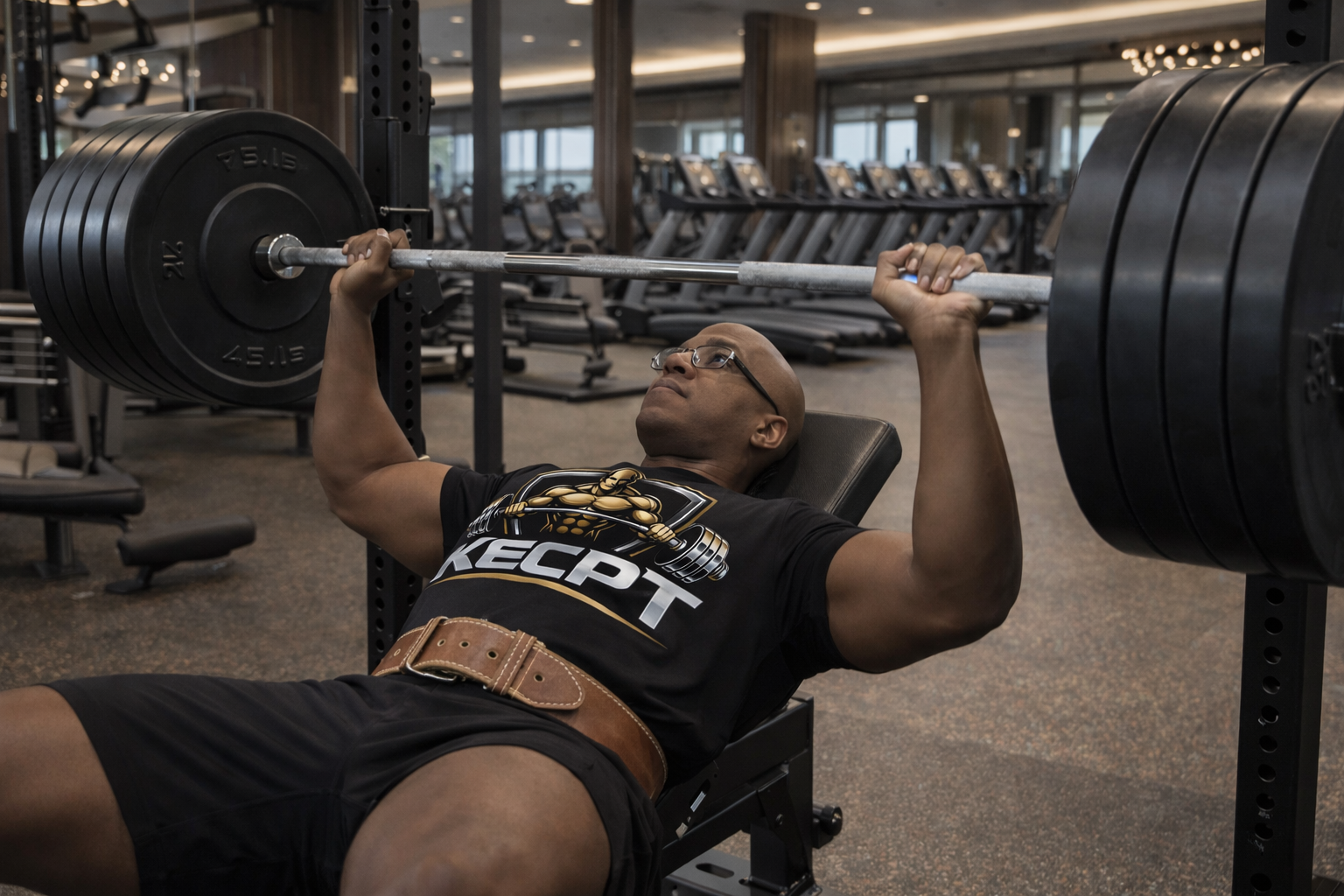
The Bench Press
The bench press is the premier upper body pushing exercise, developing chest, shoulder, and tricep strength. It's essential for pushing power and upper body muscle development.
Key Benefits
- Builds powerful chest and shoulder muscles
- Strengthens triceps and anterior deltoids
- Improves pushing strength for daily tasks
- Enhances bone density in upper body
- Develops stabilizer muscles throughout the torso
Primary Muscles Worked:
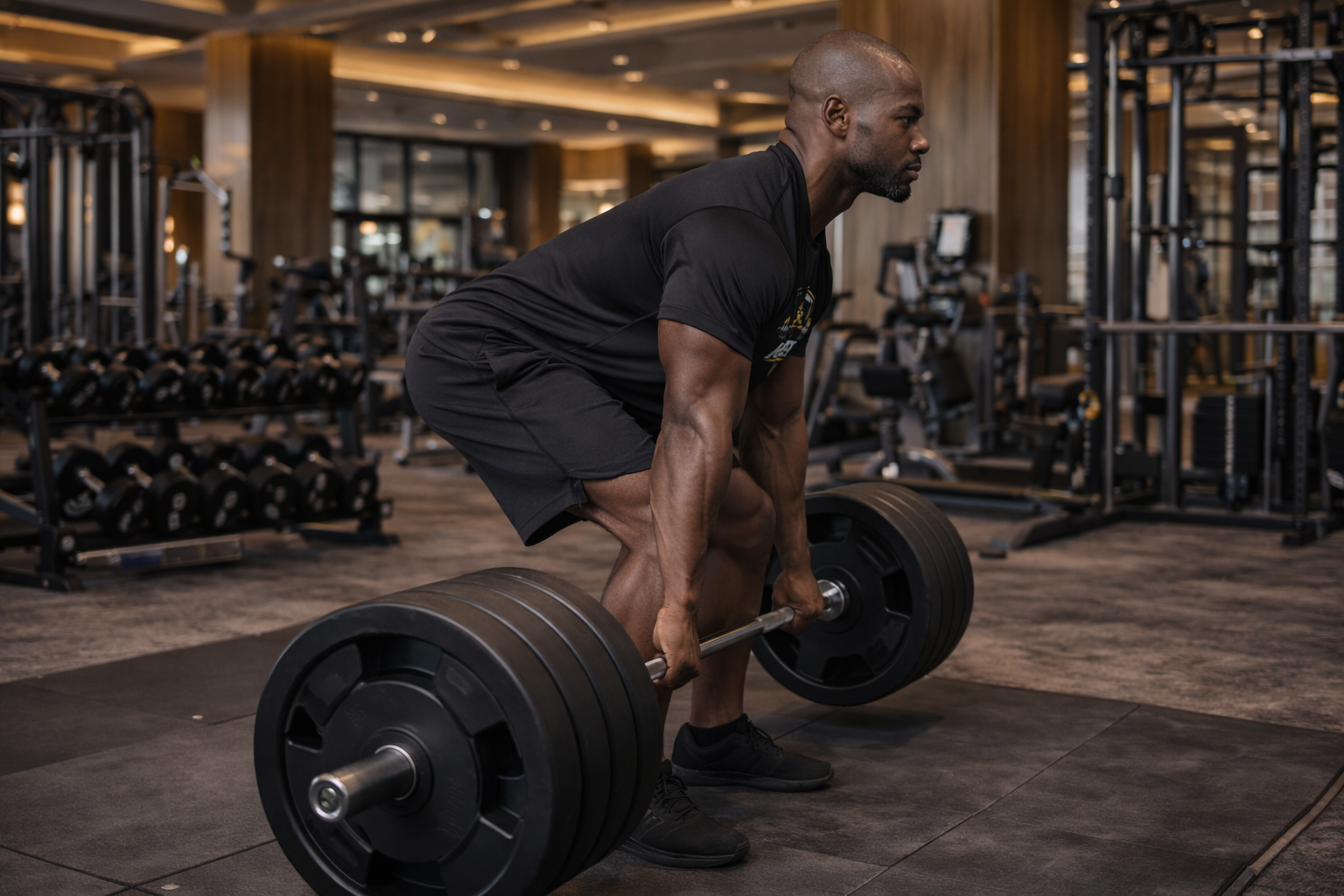
The Deadlift
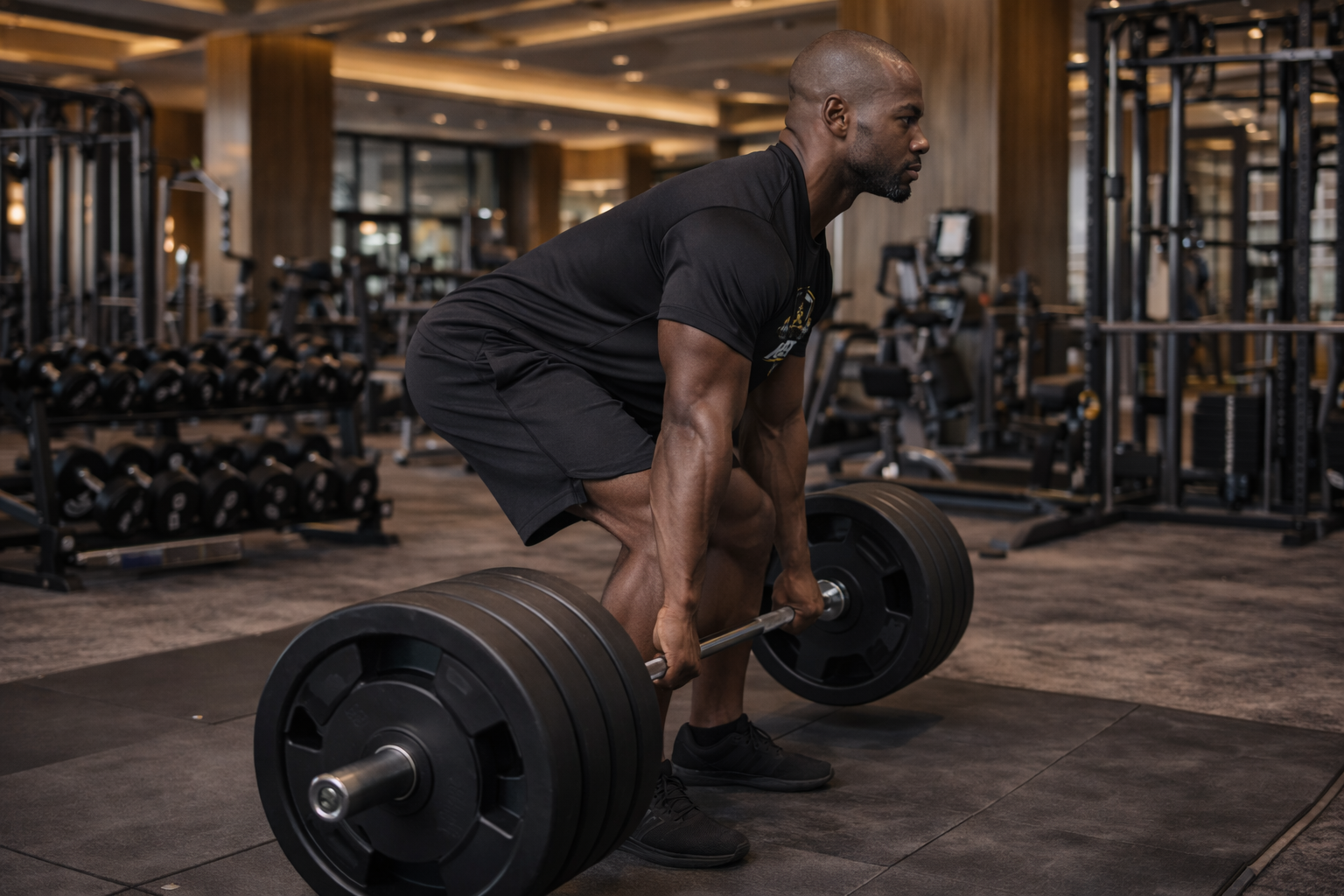
No other exercise comes close to the deadlift's ability to build total-body strength, functional power, and resilience against aging. It's the most primal movement pattern humans perform—picking something heavy up off the ground.
Why the Deadlift Matters Most
The deadlift engages more muscle mass than any other single exercise. From your grip to your feet, every major muscle group fires to lift the bar. This systemic stress creates profound adaptations that protect and strengthen your entire body.
Research consistently shows that posterior chain strength—the muscles targeted primarily by the deadlift—is the single greatest predictor of functional independence in older adults. Those who maintain deadlift strength enjoy dramatically better quality of life as they age.
Muscles Engaged in the Deadlift:
Anti-Aging Powerhouse
The deadlift is one of the most effective exercises for combating age-related muscle loss (sarcopenia). By engaging over 70% of your body's muscles in a single movement, it stimulates systemic hormonal responses that promote muscle maintenance and growth well into your senior years.
Spine Protection & Posture
A strong deadlift translates directly to a bulletproof lower back. The erector spinae muscles developed through proper deadlifting create a natural brace for your spine, reducing injury risk and correcting the postural degradation that often comes with aging.
Cardiovascular Benefits
Heavy compound movements like the deadlift create significant cardiovascular demand, improving heart health and metabolic function. Studies show regular resistance training with compound lifts reduces cardiovascular disease risk by up to 40%.
Functional Independence
The hip hinge pattern of the deadlift directly mirrors everyday activities: picking up groceries, lifting grandchildren, moving furniture, or getting up from the floor. Maintaining deadlift strength ensures you remain functionally independent as you age.
Bone Density Enhancement
The axial loading of the deadlift places beneficial stress on bones throughout the entire body. This mechanical loading stimulates osteoblast activity, increasing bone mineral density and reducing osteoporosis risk—critical for healthy aging.
Quality of Life Preservation
Research consistently shows that adults who maintain lower body and posterior chain strength enjoy higher quality of life scores, reduced fall risk, and greater independence. The deadlift is the single most effective exercise for developing this strength.
The Deadlift in Everyday Life
How deadlift strength translates to real-world function and independence
Picking Up Objects
Every time you bend to pick something off the ground—groceries, packages, your child or grandchild—you're performing a deadlift pattern. A trained deadlift means doing this safely and effortlessly.
Gardening & Yard Work
Lifting bags of mulch, pulling weeds, and moving potted plants all require hip hinge strength. A strong deadlift makes hours of yard work manageable without back pain.
Getting Up from the Floor
As we age, the ability to get up and down from the floor is a key indicator of functional health. Deadlift strength ensures you can always rise confidently.
Carrying Heavy Items
From luggage to furniture, life constantly demands we lift and carry. The grip strength, core stability, and posterior chain power from deadlifting prepare you for any lifting challenge.
Playing with Kids/Grandkids
Picking up children, playing on the floor, and keeping up with energetic youngsters requires the full-body strength the deadlift develops.
Emergency Situations
In emergencies—helping someone who has fallen, moving obstacles, or physical exertion for safety—deadlift strength could be life-saving.
The Aging Advantage
After age 30, we lose approximately 3-5% of muscle mass per decade if we don't actively train to prevent it. This accelerates after 50, leading to frailty, reduced mobility, and loss of independence. The deadlift is the most efficient countermeasure available.
Adults who maintain deadlift strength report: 60% fewer falls, 40% lower risk of nursing home admission, significantly reduced chronic pain, and dramatically higher quality of life scores well into their 80s and beyond.
Proper Form & Technique
Master the fundamentals for safe, effective lifting
Deadlift Form Cues
The Most Important Lift to Master
Squat Form Cues
- 1Feet shoulder-width apart, toes slightly turned out
- 2Brace core before descending—breathe into belly
- 3Break at hips and knees simultaneously
- 4Keep chest up and back neutral throughout
- 5Descend until hip crease is below knee (parallel or below)
- 6Drive through whole foot, keeping knees tracking over toes
- 7Stand tall at top, squeezing glutes
Bench Press Form Cues
- 1Lie with eyes directly under the bar
- 2Create a slight arch in lower back while keeping glutes on bench
- 3Grip bar with hands just outside shoulder width
- 4Unrack and position bar directly over shoulders
- 5Lower bar to mid-chest in a controlled arc
- 6Touch chest lightly, pause briefly
- 7Press up and slightly back to lockout
Essential Safety Protocols
Protect yourself and maximize gains with proper safety practices
Proper Warm-Up
- Always begin with 5-10 minutes of light cardio to increase body temperature
- Perform dynamic stretches targeting hips, hamstrings, and shoulders
- Do 2-3 progressively heavier warm-up sets before working weight
- Never jump straight into heavy lifting cold
Equipment & Environment
- Use a quality barbell and flat, non-slip flooring
- Wear flat, stable shoes (not running shoes with cushioned heels)
- Use chalk for grip security on deadlifts
- Ensure adequate space and use safety bars/spotters when appropriate
Programming Principles
- Progress gradually—add weight in small increments (2.5-5 lbs)
- Never sacrifice form for weight
- Build in rest days for recovery
- Deload every 4-6 weeks to allow adaptation
Listen to Your Body
- Distinguish between productive muscle fatigue and pain
- Stop immediately if you feel sharp or shooting pain
- Get adequate sleep (7-9 hours) for recovery
- Address mobility restrictions before adding load
When to Seek Professional Guidance
If you experience any of the following, stop training and consult a qualified professional:
- Sharp or shooting pain
- Numbness or tingling
- Joint instability
- Pain that persists beyond 48 hours